Our 2025 Oakwynite of the Year, Sid Koshul, has always believed that success is about more than transactions. It’s about people, community, and showing up where it matters most.
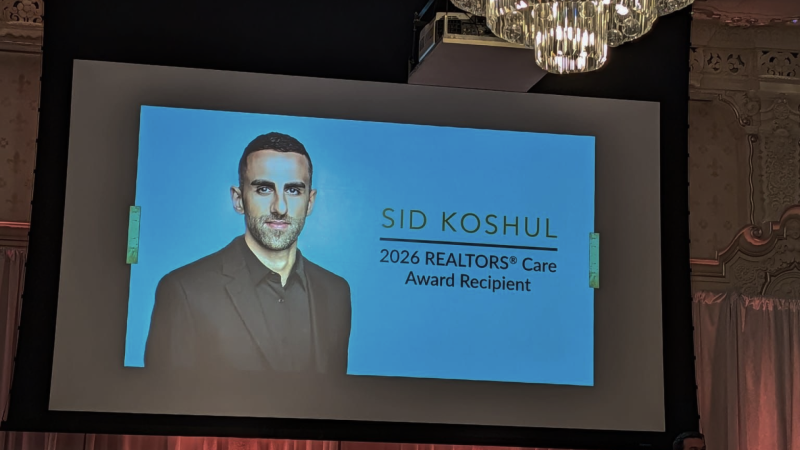
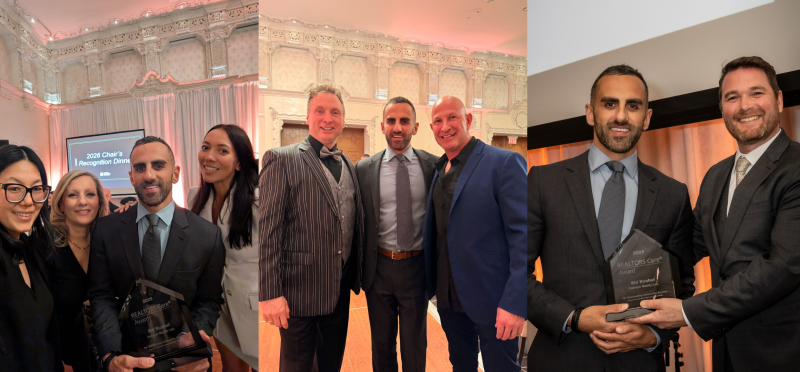
This year, that commitment was recognized again, in a major way, as Sid received the REALTORS Care® Award from Greater Vancouver Realtors®, honouring his outstanding leadership, advocacy, and dedication to giving back.
He has made a meaningful impact through his involvement with organizations, including QMUNITY, Dr. Peters Centre, and Ballet BC. Over the past year alone, he has dedicated countless hours to fundraising efforts, community advocacy, partnership building, and supporting causes that uplift vulnerable and underrepresented communities.
In this Q&A, Sid opens up about the people who inspired him, the challenges and emotional moments that strengthened his purpose, the mindset shifts that made community work part of his identity, and why he believes showing up — even in small ways — can create lasting impact.
When you’re not being a Realtor or a volunteer, who is Sid? What fills your tank?
I love exploring the world and connecting with my creative side – whether that’s through
design, art, fashion, dance, music, or whatever else. I’m happiest when I have a trip to look forward to, either to a big city or a beach. My two
favourite destinations are Mexico City and Rio de Janeiro – the culture, music, people, and overall vibe are 10/10!
Plus, anything animal-related – I love animals.
Looking back, what impact are you most proud of?
I’d say I’m most proud of my involvement working with a group of friends and Rainbow Refugee to raise funds and sponsor someone to come to Canada who was fleeing persecution.
He’s here now, building a life, and someone I talk to pretty much every day. He brings a lot of joy to the world and to our lives.
It’s a pretty special feeling to be able to actually see the impact you’ve had on one person’s life.
Was there a specific moment in your life where ‘giving back’ stopped being optional and became part of your identity?
My mom and my grandma showed me, through their actions, how important it is to give back or help where you can, even if you don’t have a lot. They would gladly go without if it meant helping someone else, or an animal in need.
It’s been part of who I am for as long as I can remember – from filling boxes of pennies for UNICEF in elementary school, to later, in law school, captaining our Movember team, where we became the top fundraising law school in Canada supporting men’s mental health.
Growing up, for most of my childhood, we were dealt some pretty tough cards and didn’t have much. I’ll never forget what that felt like, or the people who showed up and were there for us.
That’s stayed with me. It’s why giving back matters to me, and why I want to pay that kindness forward now that I’m in a position to do so. It’s also a reminder that someone’s situation doesn’t define their character or potential, and how important it is to stay aware of the privilege many of us have and not lose empathy for others.
Can you tell us about a moment in your work with QMUNITY where you thought, ‘this is why I do it’?
I don’t know if there’s been one single moment, but there have definitely been a lot of reminders of why it matters.
On one hand, I’ve seen an increase in the normalization of hate and discrimination. It reinforces why this work is important and makes me want to do whatever I can to push back against it.
At the same time, hearing from people who have been connected to QMUNITY over the last four decades really puts things into perspective. Whether it’s longtime volunteers or people who have accessed programs, you start to understand how much of a role the organization has played in people’s lives and how important that has been for our community.
When you think about that history and then look ahead to what will be possible in a new, purpose-built space, it’s hard not to feel excited about the impact this will have moving forward.
What’s been one of the hardest or most emotional moments in your work with the Dr. Peter Centre?
One of the most emotional moments for me was losing Shirley Young, who was Dr. Peter’s mother.
Shirley was one of my favourite people. She showed up to our Pride Kickoff event every year with her rainbow nails and this warm, welcoming energy, which made everyone feel seen. She had been through so much loss in her life, but never let that define her. Instead, she poured that love and strength into the Dr. Peter Centre and the community around her.
We lost her not long ago, and last year was the first Pride Kickoff without her. Although it was hard not having her there, we kept going in a way that felt true to her, focusing on making her proud. We ended up having a record-breaking year, which felt like the right way to honour her.
What’s a behind-the-scenes story from the Ballet BC Ambassador Group that people wouldn’t expect?/Would surprise us?
I think what would probably surprise people most is the human element behind it all. When you watch a performance, it looks effortless. But behind the scenes, there’s an incredible amount of strength, sacrifice, and emotion that the dancers go through to make it look that way. The level of discipline and commitment is intense, and it’s not something you fully appreciate until you see it up close.
Beyond that, the dancers, staff, volunteers, and patrons are all deeply invested in protecting this art form and bringing it to life, which really inspires me. One of the best parts is seeing someone’s reaction after they attend their first show – and then seeing them back at the next one!
A lot of agents say they want to give back, but you actually do it. What is a mindset shift that made that real for you?
For me, it was getting over the hesitation and just saying yes. I used to think I didn’t have enough to offer, or that I needed to be able to give more financially before getting involved. At some point, I realized that wasn’t true. Your time, your network, and your energy can all go a long way.
Once I made that shift, it became motivating. I want to do well in business so that I can do good in the world.
Who has influenced the way you show up for your community, and how?
I must give a shoutout to some of the people who really opened the door for me and encouraged me to get more involved in the community by inviting me to get involved with the Dr. Peter Centre – Gary Serra, Kevin Mazzone, Ryan McKinley, and John Evans.
A lot of the opportunities I’ve had since, including getting involved with Ballet BC and QMUNITY, came as a direct result of that.
What’s your advice to an agent who wants to give back but feels like they don’t have time?
I think a lot of people see giving back as “extra work”, but it doesn’t have to be. It can be part of your social life, something that gives you a break from the day-to-day, and adds a bit more purpose to what you’re doing. You also end up meeting great people and genuinely expanding your circle.
Start small and see what resonates. Go to a fundraiser, support an event – just show up. Instead of going out for a regular dinner, bring a friend to a fundraising event. It’s usually just as fun, if not more, and you’re supporting something meaningful.
It also doesn’t have to be financial or too much commitment. Reposting and raising awareness go a long way. As agents, we have networks and know how to connect people, which can have a huge impact on these organizations.
How do you stay authentic when doing community work in an industry that can sometimes feel transactional?
I don’t get involved in anything that doesn’t feel genuine or something I’m going to feel passionate about. The causes I support impact me, my friends, or my community, so it never feels forced.
I’m also conscious about not treating it like a business opportunity. I don’t bring up real estate unless someone asks. I’m there to support the cause, not to build business. That said, I think people can tell when you’re being real, and it naturally leads to connections with people who share similar values. You are allowed to benefit from the good you do, but that shouldn’t be the motivating factor.
What is one ‘no’ or redirect you had to face that ended up leading to something
even better?
I think it’s really important to get comfortable with hearing no, both in business and in community work. You hear it a lot, but it makes the moments when things do come together that much more meaningful.
A big redirect for me was leaving law and moving into real estate. At the time, it felt like a bit of a risk, but once I started doing something I genuinely enjoyed, everything shifted. My energy was different; I was more open to opportunities, and I felt more like myself.
That change ended up opening the door to a lot of the community work I’m involved in now.
What’s next for you? Is there a cause or project you’re dreaming about right now?
Right now, my focus is on QMUNITY. We’ve got about a year left in the campaign, and I really want to see it through. I’m dreaming of the day we can open the doors to the new building and see that decades-long vision come to life.
It’s become a big part of who I am, so I know I’ll stay involved in some way long term. I don’t have anything specific planned, but things tend to evolve naturally for me, so I’m focused on staying open to opportunities and seeing where they lead.
If you want to support the campaign for QMUNITY, we have a dollar-matching campaign running until the end of the year, so every contribution will have double the impact.
Learn more here: https://www.qmunity.ca/purpose-built-building